Refined Kitchens, Crafted Details

Dive into Kitchen Elegance Through Boutique Hardware and Finishes as we reveal how hand-burnished metals, layered cabinet sheens, and artisanal surfaces transform everyday routines into a quietly luxurious ritual. We’ll blend practical guidance with maker stories, maintenance truths, and color strategies drawn from real homes. Expect tactile insights about weight, grip, patina, and proportion that help each handle feel intentional. Share questions or photos of your space in the comments, and subscribe to receive new material samples, sourcing checklists, and behind-the-scenes studio visits.

Metals With Memory: The Character of Brass, Bronze, and Nickel

Choose metals for more than shine; choose them for how they age, reflect light, and support daily use. Living brass quietly records your touch, bronze deepens with warmth, and satin nickel offers a calm, balanced glow. In a narrow townhouse renovation, swapping hollow chrome bars for solid brass pulls instantly changed the sound and feel of drawers. Ask us about alloys, lacquers, and how to match finishes across hinges, faucets, and lighting for cohesive harmony.

Quiet Luxury in Aged Brass

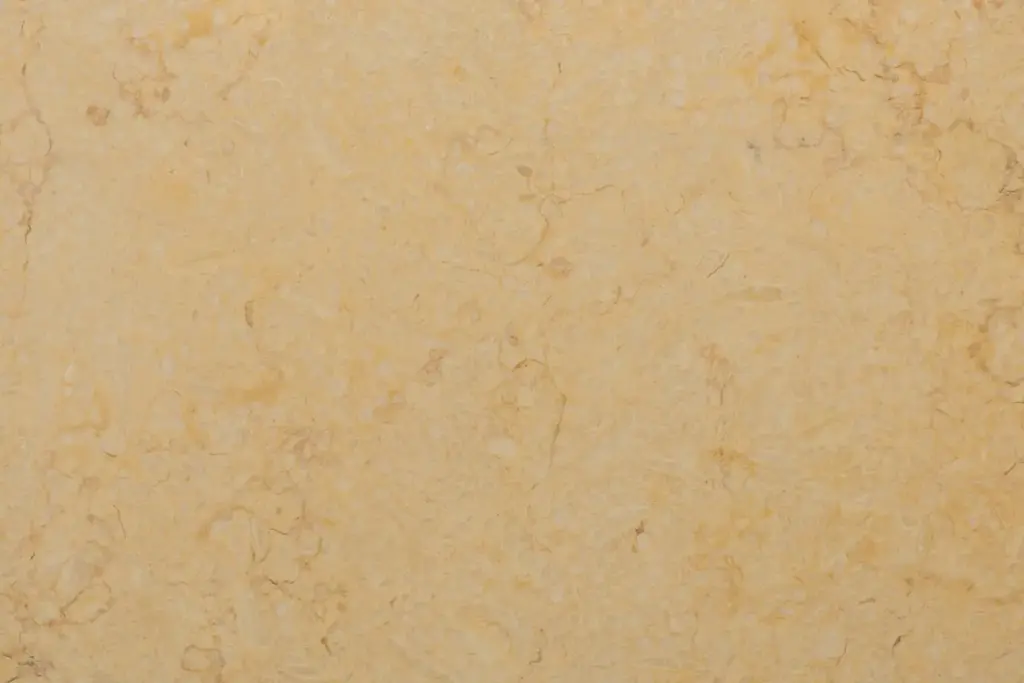
Unlacquered brass develops a human story, oxidizing from honey to rich amber where fingers land most. Its high copper content introduces warmth near cool stones and white cabinetry. Choose solid pieces for reassuring heft, and consider knurled textures for confident grip with wet hands. Pair with limestone or warm-veined marble to echo undertones. Share your preferred patina journey, and we’ll recommend makers and care routines that respect character while protecting cleanliness.

Satin Nickel for Balanced Glow

Satin nickel diffuses light without glare, sitting comfortably between cool stainless appliances and painted cabinets. Look for brushed finishes with consistent grain direction so pulls, knobs, and appliance handles read like a family. In busy households, its fingerprint resistance and forgiving sheen reduce constant polishing. Combine with soft-gray grout and honed quartz for a gentle, modern palette. Tell us about your lighting plan, and we’ll help avoid mismatched undertones across fixtures.

Layers of Finish: Cabinets, Stone, and Tile in Conversation

Harmony emerges when surfaces speak softly to one another: cabinet sheen steers reflections, stone veining suggests metal tones, and tile texture filters light. A satin-lacquer door reduces hotspots from pendants, while honed marble calms busy grain. Handmade tile introduces irregularity that flatters refined hardware. During one install, a subtle cabinet rub-through echoed the pull’s patina, unifying old and new. Share your samples, and we’ll sketch combinations that feel effortless yet richly dimensional.

Cabinet Sheens That Respect Texture

High-gloss can amplify fingerprints and distraction, while matte may mute wood’s figure too aggressively. Satin often lands perfectly, offering a gentle glow that supports hardware highlights. Test sheens under your actual bulbs—2700K warmth versus 3500K neutrality can change everything. On rift-cut oak, a waterborne finish preserves clarity without amber shift. We can help tune gloss units, balancing wipe-ability with visual depth. Post photos of your doors in morning and evening light for feedback.

Stone Veins That Echo Metal Tones

Veins can be storytellers, pulling brass warmth or nickel coolness through the kitchen. Honed Carrara leans blue-gray, flattering stainless and satin nickel, while Calacatta’s golden threads love brass. Consider mitered edges for sculptural presence that meets substantial pulls. Waterfall ends can mirror long appliance handles, creating rhythm. Ask your fabricator about sealing schedule, as some stones darken slightly, altering the metal pairing. Share slabs you’re considering, and we’ll map undertones and edge details.

Handmade Tile for Irregular Light

Zellige and other handmade tiles bounce light unpredictably, softening precise cabinet lines and echoing artisanal hardware. Their subtle waviness keeps minimal palettes lively. Choose a grout that doesn’t overpower the metal’s character—slightly warm grays often bridge materials gracefully. Lay a few tiles behind a sample pull to judge reflection. Seal porous tiles near cooktops to ease cleaning. Tell us your backsplash height and hood style, and we’ll propose tile scales that flatter your hardware.

Touch and Proportion: Hardware You’ll Love to Hold
Beauty is nothing without comfort. Solid bars, eased edges, and considered clearances keep movement fluid. The pull’s length should guide the hand, not fight it, and mounting heights must respect body mechanics. In one condo, switching to longer center-to-center pulls eliminated awkward wrist twists, surprisingly improving mood during weeknight cooking. Bring your door sizes and grip preferences, and we’ll suggest dimensions that feel trustworthy, balanced, and genuinely satisfying in daily use.

Pull Lengths That Guide the Hand

A good rule: two-thirds of the drawer width for generous pulls on wider fronts, shorter on petites to prevent visual crowding. Longer bars help distribute force, making heavy pots easier to access. For tall pantry doors, vertical pulls create an intuitive grab zone. Mock up with painter’s tape before drilling. Test open-close with loaded drawers to confirm leverage. Share your cabinet plan, and we’ll calculate dimensions that deliver comfort without overwhelming the facade.

Knurling, Chamfers, and Soft Edges

Knurling adds grip and sparkle, especially under raking light, while chamfered or radiused edges prevent bruised hips and snags on aprons. Microtexture hides minor scratches yet catches highlights beautifully. Try mixed tactility: knurled on main drawers, smooth on upper cabinets for hierarchy. Evaluate with wet hands to ensure confident feel near sinks. If children use the space, softened corners matter. Tell us about your household routines, and we’ll tailor textures that welcome touch.

Color Pairings That Sing Without Shouting

Color gently frames metal and finish decisions. Deep greens cradle warm brass, midnight blues dramatize polished nickel, and natural oaks relax blackened steel. Keep undertones consistent to avoid jarring shifts between daylight and evening lamp glow. A homeowner once pivoted from cool white to creamy mushroom, unlocking harmony with antique brass instantly. Send your paint swatches, appliance finishes, and flooring samples, and we’ll craft a palette that feels confident, enduring, and comfortably sophisticated.

Deep Greens with Warm Brass

Forest and olive paints invite brass to glow without glare. Choose low-LRV hues for cozy immersion, then balance with warm LED lighting to avoid muddy corners. Add linen or tumbled stone to prevent heaviness. Antique brass on paneled refrigerators can read like furniture. Test sample doors beside your window exposure; northern light cools dramatically. Share your natural light photos, and we’ll nudge the green toward sage or moss to match the brass undertone perfectly.

Oaks and Blackened Steel in Natural Harmony

Rift-cut white oak with a neutral stain pairs beautifully with blackened steel, delivering quiet contrast and authenticity. The grain’s linearity complements crisp metal edges, while soft wax finishes keep everything touchable. Introduce woven textures or clay pendants for warmth. Ensure your steel finish is sealed to mitigate oil transfer. Consider integrated pulls on upper cabinets so black accents don’t overwhelm. Post flooring samples, and we’ll tune stain formulas to keep undertones clean and calm.

Sourcing with Integrity: Makers, Materials, and Transparency

Boutique quality thrives where craft meets clarity. Seek studios that disclose alloys, coatings, and care expectations, and that provide sample programs for testing under your light. Responsible sourcing might include recycled brass, low-VOC finishes, and packaging that protects without excess. Ask about lead content, threading standards, and return policies. We maintain a living list of trusted artisans—message us for recommendations, shop tours, and group orders that support fair pay, consistent quality, and timely delivery.

Small Studios, Big Craft

Independent workshops often hand-finish each piece, ensuring edges are eased and threads run smoothly. Expect longer lead times but tighter tolerances and beautiful surface control. Establish communication early and share drawings to avoid surprises. Request extra fasteners to match finish perfectly. If you’re coordinating across multiple trades, we can help schedule approvals. Tell us your project timeline and budget, and we’ll match you with makers whose strengths align with your design goals.

Responsible Materials and Clear Labels

Look for declarations on alloy composition, sealers, and VOC levels, especially where hands meet food prep. Recycled content adds environmental value without sacrificing performance when well-engineered. Ask for finish chips, not just photos, since monitors distort color. Durable lacquers may slow patina; unlacquered options embrace it—choose with intention. We can help read data sheets and certifications so your selections feel good ethically and practically. Share product links, and we’ll translate fine print into plain guidance.

Lead Times, Samples, and Dialogue

Order samples early to test heft, grip, and color under your real bulbs. Build in buffer for custom lengths, rare alloys, or special knurl patterns. Confirm all center-to-center measurements before cabinetry fabrication. Keep a shared spreadsheet tracking quantities, backorders, and finishes to avoid last-minute substitutions. We’re happy to provide a template and review your cart before checkout. Post your timeline, and we’ll flag risk points so installation day feels calm and organized.

Care, Patina, and Everyday Resilience
Beautiful finishes deserve gentle routines. Use microfiber cloths, pH-neutral cleaners, and avoid ammonia that can strip protective coats. Expect living metals to evolve gracefully; embrace highlights where touch naturally occurs. In a busy family kitchen, monthly wipe-downs and quarterly wax kept brass handsome without fuss. We’ll share easy schedules, product recommendations, and quick fixes. Comment with your biggest maintenance worry, and we’ll tailor solutions that preserve character while keeping everything fresh, hygienic, and welcoming.

Cleaning Without Erasing Character

Spot-clean fingerprints with a slightly damp microfiber cloth, then dry immediately to prevent water marks. For unlacquered brass, a tiny dab of wax can slow oxidation in high-touch zones while leaving patina intact. Avoid harsh abrasives that flatten edges and remove the artisan’s hand. Test any polish on the back plate first. Share your before-and-after attempts, and we’ll advise whether to continue, adjust products, or let the natural aging tell its story proudly.

Humidity, Heat, and Protective Coats

Kitchens challenge finishes with steam and temperature swings. Ensure proper ventilation during long simmers, and place pulls away from extreme heat zones when possible. Lacquered pieces need gentler cleaners to prevent clouding; unlacquered metals prefer light waxes. Around dishwashers, choose corrosion-resistant screws and gaskets. We can help evaluate your layout for risk spots and recommend protective topcoats or simple behavioral tweaks. Describe your cooking habits, and we’ll tailor a care plan that fits real life.

Scratches, Touch-Ups, and Living Finishes

Minor scratches can blend into patina on living metals, becoming part of the charm. For coated finishes, use manufacturer-approved touch-up kits and ultra-fine pads, following grain direction. Replace damaged fasteners rather than forcing mismatched threads. Keep spares labeled by location for quick fixes. If a pull suffers a deeper gouge, contact the maker about refinishing. Share close-up photos and lighting conditions, and we’ll help judge whether a repair or graceful acceptance serves the design best.
Zaxafuvitenimonepetuli
Privacy Overview

This website uses cookies so that we can provide you with the best user experience possible. Cookie information is stored in your browser and performs functions such as recognising you when you return to our website and helping our team to understand which sections of the website you find most interesting and useful.